

+70
°
F
+74°
+58°
Niagara Falls
Thursday, 16
See 7-Day Forecast
Featured News - Current News - Archived News - News Categories
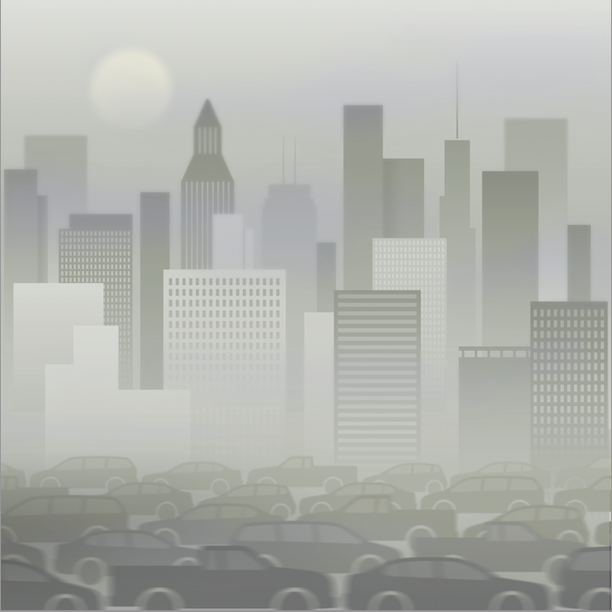
UPDATE: Gov. Kathy Hochul today updated New Yorkers on statewide air quality conditions and highlighted that, while conditions should ease Friday, some areas of the state, mainly the Western New York region, will likely still be dealing with unhealthy air quality caused by smoke from Canadian wildfires and high temperatures.
Hochul urged all New Yorkers, particularly sensitive groups, to continue to take precautions to protect their health and to monitor local air quality conditions using trusted sources, including AirNow.gov.
The New York State departments of Environmental Conservation and Health issued an air quality health advisory for Friday for the Western New York region, where air quality is forecast to reach levels that are “unhealthy for sensitive groups.” Smoke causing temporary spikes of unhealthy air may affect other regions as the plume continues to move across the state.
“While the effects of smoke from Canadian wildfires are beginning to decrease, some areas of the state are still experiencing poor air quality,” Hochul said. “This week’s events are a reminder for New Yorkers to be ‘air quality aware’ to stay safe, protect their health, and look out for their neighbors, friends and family. And keep your pets safe. As the week continues, I urge New Yorkers to stay informed and check trusted sources for air quality where they live.”
••••••••
Statewide air quality health advisory updated
Submitted by the New York State Department of Environmental Conservation
New York State Department of Environmental Conservation Commissioner Amanda Lefton and state Department of Health Commissioner Dr. James McDonald issued an updated air quality health advisory for fine particulate matter for Thursday, July 16, due to the statewide impact of smoke from wildfires in Canada. New Yorkers may see visible smoke and hazy skies across the state and spikes in smoke-related pollution.
The updated advisory is as follows:
•The Long Island, New York City Metro and Lower Hudson Valley regions are forecast to reach “unhealthy.”
•The Upper Hudson Valley and Adirondack regions are forecast to reach “unhealthy for sensitive groups.”
•The Eastern Lake Ontario, Central New York and Western New York regions are forecast to reach “very unhealthy.”
•The pollutant of concern is fine particulate matter. The advisory will be in effect: 10 a.m. until 11:59 p.m.
The air quality health advisory regions consist of: Long Island, which includes Nassau and Suffolk counties; New York City Metro, which includes New York City, Rockland and Westchester counties; Lower Hudson Valley, which includes Dutchess, Orange, Putnam, Ulster and Sullivan counties; Upper Hudson Valley, which includes Albany, Columbia, Fulton, Greene, Montgomery, Rensselaer, Saratoga, Schenectady, Schoharie and Washington counties; Adirondacks, which includes Clinton, Essex, Franklin, Hamilton, northern Herkimer, Lewis, St. Lawrence and Warren counties; Eastern Lake Ontario, which includes northern Cayuga, Jefferson, Monroe, Oswego and Wayne counties; Central New York, which includes Allegany, Broome, southern Cayuga, Chemung, Chenango, Cortland, Delaware, southern Herkimer, Livingston, Madison, Onondaga, Oneida, Ontario, Otsego, Tioga, Tompkins, Schuyler, Seneca, Steuben and Yates counties; and Western New York, which includes Cattaraugus, Chautauqua, Erie, Genesee, Niagara, Orleans and Wyoming counties.
DEC and DOH issue air quality health advisories when DEC meteorologists predict levels of pollution, either ozone or fine particulate matter (PM 2.5), are expected to exceed an air quality index (AQI) value of 100. The AQI was created as an easy way to correlate levels of different pollutants to one scale, with a higher AQI value indicating a greater health concern.
Fine particulate matter
Fine particulate matter (PM) consists of tiny solid particles or liquid droplets in the air that are 2.5 microns or less in diameter. PM 2.5 can be made of many different types of particles and often come from processes that involve combustion (e.g., vehicle exhaust, power plants, fires) and from chemical reactions in the atmosphere.
Exposure can cause short-term health effects, such as irritation to the eyes, nose and throat, coughing, sneezing, runny nose, and shortness of breath. Exposure to elevated levels of fine particulate matter can also worsen medical conditions such as heart disease and asthma. People with heart or breathing problems, older adults, children and teens, pregnant people, and those who exercise or work outdoors may be particularly sensitive to PM 2.5.
When outdoor levels are elevated, going indoors may reduce exposure. If there are significant indoor sources of PM 2.5 (tobacco, candle or incense smoke, or fumes from cooking) levels inside may not be lower than outside. Some ways to reduce exposure are to minimize outdoor and indoor sources and avoid strenuous activities in areas where fine particle concentrations are high.
Additional information on PM 2.5 is available on DEC's website and on DOH's website (PM 2.5). A DEC fact sheet about the air quality index is available on DEC’s website or by PDF download.
To stay up-to-date with announcements from DEC, sign up to receive air quality alerts through DEC Delivers: DEC's premier email service. A toll-free air quality hotline (1-800-535-1345) was also established by DEC to keep New Yorkers informed of the latest air quality situation.























1859 Whitehaven Road, Grand Island, NY 14072
Phone: 716-773-7676
Fax: 716-773-7190