


+70
°
F
+74°
+58°
Niagara Falls
Thursday, 16
See 7-Day Forecast
Featured News - Current News - Archived News - News Categories
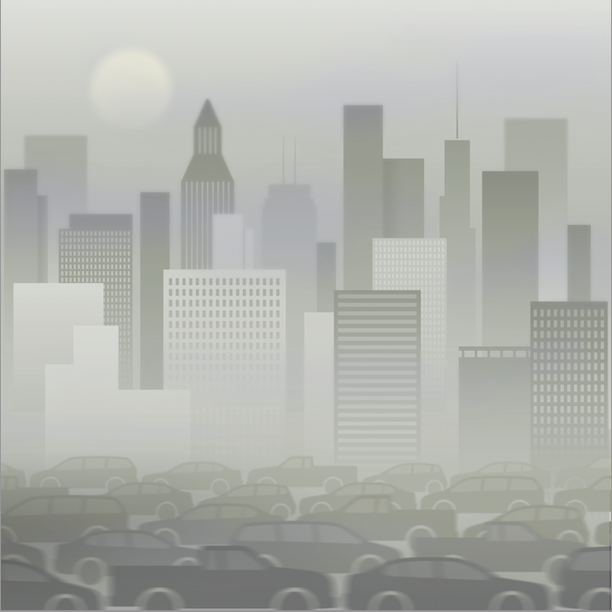
Smoke from Canadian wildfires and high temperatures creating unhealthy air conditions across state
√ With visible smoke statewide, people encouraged to take precautions and be ‘air quality aware’
√ Says should avoid spending time outdoors if possible; sensitive groups should take particular caution; more than 100,000 N95-style masks available to counties statewide
Submitted by the Office of Gov. Kathy Hochul
Gov. Kathy Hochul provided an update on the poor air quality caused by smoke from Canadian wildfires and high temperatures creating unhealthy air for New Yorkers. The governor urged New Yorkers, particularly sensitive groups, to continue to take precautions to protect their health.
An air quality health advisory for particulate matter is in effect statewide for today and the New York State departments of Environmental Conservation and Health have issued a statewide air quality health advisory for tomorrow, July 16. Air quality is forecast to reach “unhealthy” in the following regions: Long Island, New York City Metro, Lower Hudson Valley, Central New York, Eastern Lake Ontario and Western New York. Air quality is forecast to reach “unhealthy for sensitive groups” in the Upper Hudson Valley and Adirondack regions. Temporary spikes could cause air quality to worsen and reach “very unhealthy” levels.
“With smoke from Canadian wildfires again impacting air quality throughout our state, we’re urging New Yorkers to be ‘air quality aware’ to stay safe this week,” Hochul said. “We continue to coordinate with local counties to monitor conditions and distribute masks to help protect vulnerable populations. I encourage all New Yorkers to stay informed about the latest updates and take the necessary precautions to protect yourselves, your neighbors and your loved ones.”
At the governor's direction, over 100,000 high-quality N95-style masks are being made available to counties in need to address air quality impacts. In New York City, the Metropolitan Transportation Authority will distribute masks to commuters at Penn Station and Grand Central. The New York State Division of Homeland Security & Emergency Services’ Office of Emergency Management (OEM) is in contact with its local counterparts and is prepared to facilitate requests for assistance.
The governor reminded New Yorkers to sign up for real-time weather and emergency alerts that will be texted to their phones by texting their county or borough name to 333111.
New Yorkers should also continue to monitor the air quality index (AQI) at airnow.gov and take action when levels exceed safe thresholds. Additional steps to stay safe include:
Recommendations for New Yorkers in impacted areas
Sensitive groups should take particular caution.
Where the air is considered unhealthy for sensitive groups, New Yorkers with underlying health conditions should make outdoor activities shorter and less intense, and take breaks to reduce the risk of health symptoms.
In areas where the air is considered unhealthy, people who are especially sensitive to the effects of elevated levels of pollutants should make outdoor activities shorter and less intense, and take breaks to reduce the risk of health symptoms. Avoid spending time outdoors, if possible. People more sensitive to smoke-related pollution include those with heart or breathing problems, older adults, children and teens, pregnant people, and those who exercise or work outdoors.
If you must go outside when air quality levels are considered unhealthy, do not overexert yourself, and find a well-fitting mask to wear.
Remember to take steps to cool off in air conditioning for at least a few hours because it’s also hot outside, and indoor and outdoor temperatures can climb quickly.
Staying indoors in a smoke-free environment can lower your exposure.
Those who experience symptoms or have symptoms that worsen should consider consulting their medical provider.
Recommendations for outdoor workers
Long work schedules and the physical demands of work performed outdoors can affect a worker’s health when air quality is unhealthy. For wildfire smoke, employers and employees should:
Allow for rest and relief.
√ Stay hydrated and allow for water breaks.
√ Provide respirators and adjust work plans based on air quality.
√ Train workers on recognizing smoke-related health risks and proper safety protocols.
Information about exposure to smoke from fires can be found on DOH’s website.
Recommendations for camps, schools and childcare providers
New York state recommends that schools and childcare providers suspend outdoor activities and field trips when air quality is unhealthy.
Watch for symptoms and take action as needed.
When air quality is good, resume normal activities.
Consider implementing an air quality flag program where each day your organization raises a flag when the air is unhealthy. On these days, you can use this information to adjust outdoor activities.
DEC and State Parks are encouraging hikers and others recreating outdoors to postpone strenuous activities due to limited visibility and the potential for respiratory concerns from the smoke.
The Office of Employee Relations provided guidance to state agency human resource professionals regarding outdoor air quality, encouraging agencies to be mindful of the conditions and to take necessary steps to mitigate potential issues to help ensure the well-being and safety of employees.
Exposure to current air quality conditions can pose negative health impacts, including irritation to eyes, nose or throat, coughing, sneezing, runny nose and shortness of breath. These conditions are especially dangerous for vulnerable New Yorkers with medical conditions such as asthma and/or heart disease.
DEC and DOH will be closely monitoring conditions to make any necessary changes to advisories. New Yorkers are reminded to include air quality awareness in their daily warm weather routines and can receive real-time updates at www.AirNow.gov. To stay up-to-date with announcements from DEC, sign up to receive air quality alerts. A toll-free air quality hotline (1-800-535-1345) was also established by DEC to keep New Yorkers informed of the latest air quality situation.
AQI health guidelines
AQI health guidelines are associated with recommendations to protect impacted populations.
•0-50: good – Air quality is considered satisfactory and air pollution poses little or no risk.
•51-100: moderate – Air quality is acceptable. However, for some pollutants there may be a moderate health concern for a very small number of people who are usually sensitive to air pollution.
•101-150: unhealthy for sensitive groups – Members of sensitive groups may experience health effects. The general public is not likely to be affected. Sensitive groups include people with asthma, heart or lung disease, older adults, children and teenagers, minority populations, and outdoor workers.
•151-200: unhealthy – Everyone may begin to experience health effects. Members of sensitive groups may experience more serious health effects.
•201-300: very unhealthy – health alert. Everyone may experience more serious health effects.
•301-500: hazardous – health warnings of emergency conditions. The entire population is more likely to be affected.
An air quality health advisory for PM2.5 was issued for July 15 for Eastern Lake Ontario, Central New York and Western New York counties. The advisory remains in effect through 11:59 p.m.
Eastern Lake Ontario includes northern Cayuga, Jefferson, Monroe, Oswego and Wayne counties; Central New York includes Allegany, Broome, southern Cayuga, Chemung, Chenango, Cortland, Delaware, southern Herkimer, Livingston, Madison, Onondaga, Oneida, Ontario, Otsego, Tioga, Tompkins, Schuyler, Seneca, Steuben and Yates counties; and Western New York, which includes Cattaraugus, Chautauqua, Erie, Genesee, Niagara, Orleans and Wyoming counties.
The AQI is forecasted to exceed 100, and in some areas, could go above 150 momentarily. When the AQI is above 100, air quality may be unhealthy for sensitive groups, including children, teens, older adults, people with heart or lung disease, and outdoor workers. An AQI above 150 means the air is unhealthy for everyone. We urge everyone, especially those in sensitive groups, to check their local AQI and take precautions as needed.
















1859 Whitehaven Road, Grand Island, NY 14072
Phone: 716-773-7676
Fax: 716-773-7190