


+70
°
F
+74°
+58°
Niagara Falls
Thursday, 16
See 7-Day Forecast
Featured News - Current News - Archived News - News Categories
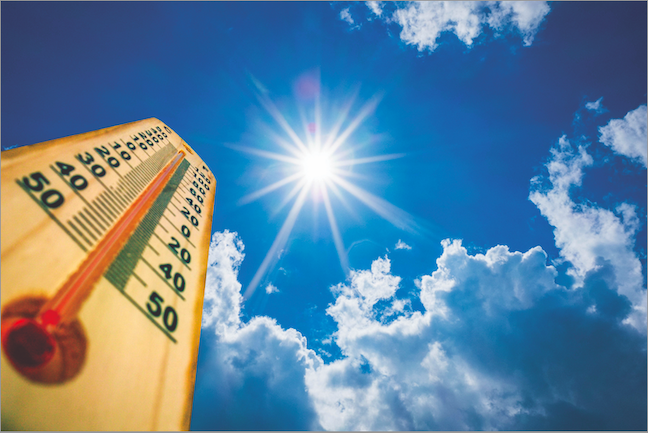
‘Feels-like’ temperatures between 90 and 100 degrees to start Tuesday in Western New York
√ State parks open for extended hours at swimming and cooling locations
√ Employers and outdoor workers should utilize extreme heat best practices
Submitted by the Office of Gov. Kathy Hochul
Gov. Kathy Hochul urged New Yorkers to prepare for a period of extreme heat starting Tuesday with "feels-like" temperatures expected to reach the 90s and low-100s across Western New York, and the high-80s to low-90s in eastern parts of the state and New York City. The heat is expected to increase Wednesday and Thursday with most of the state experiencing temperatures around or above 100 degrees, potentially up to 110 degrees in some areas. Extreme heat watches are in effect for the Capital Region, Long Island, Mid-Hudson, Mohawk Valley, New York City and the Southern Tier.
“This week will bring dangerous heat all across the state, and my administration is taking action to ensure New Yorkers can safely enjoy our historic summer of activities,” Hochul said. “New Yorkers should take the proper precautions to protect themselves and their families by staying hydrated, limiting time outdoors, and monitoring your local forecast. I also encourage everyone to check in on those most vulnerable and our elderly neighbors – one phone call or visit could save a life.”
Extreme heat is dangerous and is the leading cause of weather-related fatalities in the U.S. The most common heat-related illnesses are heat stroke (sun stroke), heat exhaustion, heat cramps and heat rash. Learn more about heat-related illness, including signs and symptoms, and when to take action, on the state Health Department’s extreme heat advice webpage.
People with heart or lung conditions (like asthma), young children, older adults and anyone who exercises or works hard outside should try to limit outdoor activity when ozone levels are high (usually in the afternoon to early evening). If you have symptoms like shortness of breath, chest pain, or coughing, you should talk to your doctor.
Tips to stay safe in extreme heat:
•Stay hydrated.
•Avoid direct sunlight.
•Seek air conditioning or shade.
•Avoid strenuous outdoor activity, especially during the hottest hours of the day.
•Check in on older family members and neighbors.
•Seek immediate medical attention if experiencing any symptoms of heat-related illnesses.
New Yorkers should closely monitor their local forecasts and look for updates issued by the National Weather Service. For a complete listing of weather alerts, visit the NWS website. New Yorkers can also ensure government emergency alerts are enabled on their mobile phones. They can sign up for real-time weather and emergency alerts that will be texted to their phones by texting their county or borough name to 333111.
Safety tips for children
•Never leave a child in an unattended vehicle in the warm weather, not even with the windows slightly open or down, due to the risk of heatstroke (hyperthermia).
•If you see a child in a hot car, call 911 right away and follow their instructions. Emergency personnel are trained to respond.
•Teach children not to play in or around vehicles and to alert an adult when a friend is playing in a vehicle without supervision. Make sure children understand the dangers of trunk entrapment (suffocation, heatstroke, etc.).
•Place something you need, like keys, a purse or bag, or your cell phone, next to your child's car seat so you will remember to check the backseat before you lock the car. Alternatively, place a stuffed toy in your child’s car seat when not in use and move the toy to the front passenger seat when your child is in his/her car seat as a reminder that your child is in the vehicle.
•Use drive-thru services whenever possible while driving with a child in a vehicle.
•It is vital to recognize the symptoms of heatstroke in children. Symptoms include absence of sweat, confusion, disorientation, flushed skin, loss of alertness, unconsciousness or rapid/shallow breathing.
Pet safety
New Yorkers should also plan accordingly for pet care to ensure pet safety during periods of extreme heat:
•Never leave a pet unattended in the car. Like children, dogs and other animals have a harder time staying cool, leaving them extremely vulnerable to heatstroke. A car can overheat even when the window has been left cracked an inch or two. Parking in the shade or leaving water in the vehicle won’t prevent your pet from overheating, either. If you see a pet in a hot car, call 911 immediately.
•According to the American Society for the Prevention of Cruelty to Animals (ASPCA), young, overweight or senior animals or those with short muzzles or thick or dark coats are most at risk for overheating.
•Provide ample water indoors and outdoors.
•Limit outdoor activity, and if outdoors, rest in shaded areas regularly.
•Be mindful of pavement temperatures. Hot surfaces may cause burns on paws, so consider walking on grass or using pet boots.
•Never leave pets in vehicles unattended when heat is a risk.
•Know the signs of heatstroke in pets including excessive panting, drooling, lethargy, vomiting and stumbling.
Extended hours at state parks
The New York State Office of Parks, Recreation and Historic Preservation has extended hours at state swimming and cooling facilities and other state parks during the current heat wave to help New Yorkers beat the heat. Swimming availability may be affected by hazardous weather, changing water conditions or staffing. Please check State Parks’ website parks.ny.gov or call the park you wish to visit directly to confirm availability.
The following local state park swimming facilities will be open for extended hours:
√ Allegany State Park – Red House Lake Beach and Quaker Lake Beach: Wednesday, July 1, and Thursday, July 2, 11 a.m. to 8 p.m.
√ Fort Niagara State Park in Youngstown: Tuesday, June 30, through Thursday, July 2, 11 a.m. to 8 p.m.
√ Long Point on Lake Chautauqua State Park: Wednesday, July 1, and Thursday, July 2, from 11 a.m. to 8 p.m.
New York state agencies are taking actions to respond to the forecasted heat, including:
New York State Division of Homeland Security and Emergency Services Office of Emergency Management is in contact with county emergency managers to ensure cooling centers are available and to offer support and advice on extreme heat risks. The office is also facilitating preparations and coordinating guidance and communications with state agency partners. Information on how to manage extreme heat can be found online. To receive real-time weather and emergency alerts, New Yorkers are encouraged to text the name of their county or borough to 333111.
•New York State Department of Public Service: To support New Yorkers during extreme heat events, the Public Service Commission approved a comprehensive statewide policy in March regarding extreme heat customer protection for the largest investor-owned electric utilities and water utilities. That decision prohibits these utilities from terminating residential, including residential end-use, customers' service for non-payment during extreme heat events. Additionally, these utilities, in coordination with DPS staff and stakeholders, developed criteria to identify heat island locations across New York. Customers residing in these areas will receive additional protections during extreme heat events.
•The Department of Public Service (DPS) is tracking electric system conditions and overseeing utility response to any situations that may arise as a result of this week's heat. Department staff, as a part of annual summer preparation activities, work with all utilities to confirm that they will reliably meet customer demands for the summer operating period. Based on staff review and assessment of utility data, meetings with each of the individual utilities and the New York independent system operator, staff found the state’s electric transmission and distribution systems are prepared to reliably meet forecasted 2026 summer electric demands.
New York's utilities have approximately 5,500 workers available, as necessary, to engage in damage assessment, response, repair and restoration efforts across New York for this heat event. Agency staff will track utilities' work throughout the event and ensure utilities shift appropriate staffing to regions that experience the greatest impact.
During heat waves, increased usage of electric devices such as air conditioners places a considerable demand on the state's electricity system and instances of low voltage or isolated power outages can result. The record for such usage was set on July 19, 2013, when it reached 33,956 MWs (one megawatt of electricity is enough to power up to 1,000 average-sized homes).
•New York State Department of Health is taking several steps to promote the safety of all New Yorkers in periods of extreme heat, especially those most at risk. The DOH is working with DHSES and local health departments and emergency managers to ensure access to cooling centers and safe spaces during this extreme heat.
The DOH’s interactive heat risk and illness dashboard allows the public and county health care officials to determine the forecasted level of heat-related health risks in their area and raise awareness about the dangers of heat exposure.
•New York State Office of Parks, Recreation and Historic Preservation: Many state park beaches, pools and spraygrounds have opened for the season. Prior to making a trip, potential visitors should call ahead to the park they plan to visit or check https://parks.ny.gov/parks/ for park hours and operations. Changes in weather and water conditions may affect swimming status. Park status updates are also available on the free New York State Parks Explorer mobile app for iOS and Android devices.
•New York State Department of Environmental Conservation remains on alert and continues to monitor weather forecasts. DEC is monitoring air quality across the state and will issue air quality health advisories as necessary. New Yorkers are encouraged to be “Air Quality Aware” and check airnow.gov for accurate information on air quality forecasts and conditions. To view the latest DEC air quality forecasts, visit the DEC website.
Hiking safety
DEC reminds outdoor adventurers that unpredictable weather – including rapidly changing temperatures and storms in the Adirondacks, Catskills and other backcountry areas – can create unexpectedly hazardous conditions. Visitors should be prepared with proper clothing and equipment for rain, mud and warmer temperatures to ensure a safe outdoor experience.
Hikers in the Adirondacks are encouraged to check the Adirondack Backcountry Information webpages for updates on trail conditions, seasonal road closures and general recreation information.
Hiking in the heat is always risky. New Yorkers and visitors should review the following tips to prevent heat exhaustion and heat stroke:
•Slow your pace.
•Drink water and rest often.
•Seek shade and avoid long periods in direct sunlight.
•Bring at least 2 liters of water for any hike.
•Bring a water filter, especially for longer hikes.
•Bring salty snacks to keep your electrolytes in check.
•Wear sunscreen.
•Leave your pets at home – the heat is harder on them, especially walking on hot rocks.
•Consider staying home yourself and rescheduling for another day when weather conditions improve.
Even if the weather is forecast to be high heat all day, there’s always a chance of hypothermia due to a sudden storm or drop in temperatures. This can increase dramatically if you’re sweating and not wearing sweat-wicking clothing (made of fabrics like wool or polyester). Many cases of hypothermia are in the summer when people least expect it.
Whether you are hiking, mountain biking or paddling, Hike Smart NY can help you prepare with a list of 10 essentials, guidance on what to wear, and tips for planning your trip with safety and sustainability in mind. In an emergency, call 9-1-1. To request forest ranger assistance, call 1-833-NYS-RANGERS.
Extreme heat
New York state agencies recently announced new and continued investments to address extreme heat, prioritizing disadvantaged communities on the frontlines of heat exposure, new funding opportunities to create public cooling spaces, and expanded assistance to provide affordable cooling for New Yorkers at home. The efforts mark progress on New York State’s Extreme Heat Action Plan (EHAP), directed by Hochul and first announced in June 2024 to address extreme heat impacts and prioritize state investments. Additional information about EHAP initiatives, including urban heat island mapping, is available on DEC’s website.
•The New York State Department of Agriculture and Markets has compiled important information, including preventative measures, to help mitigate the effects of extreme heat on farm workers and farm animals. The department will also be working closely with partners at The New York Extension Disaster Education Network (NY EDEN) at Cornell University to monitor any potential impacts of the extreme heat expected this week. NY EDEN is also a resource for farmers and farm workers during a heat wave, and additional information can be found at https://eden.cce.cornell.edu/natural-hazards/heat-wave/.
•The New York State Department of Labor has released comprehensive guidance to help employers better protect outdoor workers during extreme heat and advises workers and employers to engage in extreme heat best practices such as:
•Ensure access to clean drinking water at no cost to workers, available at all times and as close to the worksite as possible.
•Provide shade and paid rest when the heat index reaches 80 degrees Fahrenheit or above, and more frequent rest breaks once the heat index exceeds 90 degrees.
•Wear proper personal protective equipment (PPE) so long as it does not interfere with safety equipment, including sunscreen, cooling vests, wide-brim hats, and lightweight, loose-fitting clothing.
Find more information on best practices for working in extreme heat.
•The Thruway Authority notes that, for highway workers, the combination of direct sun, high temperatures and radiating heat from asphalt, machinery and other sources highlights the need for proper hydration and extreme heat acclimation. During extreme heat events, Thruway Authority maintenance crews conduct routine daily operations during the coolest parts of the day and increase patrols to monitor the highway when temperatures are highest. Travelers are reminded to stay hydrated and take breaks at one of the 27 service areas or three Welcome Centers located along the thruway system.
NYSDOT maintenance crews will conduct most outdoor work during morning hours and follow established hydration and rest protocols to help mitigate the risks associated with high temperatures.
•The New York State Office of Children and Family Services is taking several actions to ensure activities at residential centers, detention programs and congregate care programs are conducted in a safe manner during the heat. This includes checking cooling equipment, ensuring proper amounts of water are available and consumed, rescheduling activities and meetings, and identifying staff and clients who may be affected by heat. They are also providing guidance to childcare programs and groups associated with the Commission for the Blind statewide.
•In advance of the hot conditions, the New York State Office of Mental Health warns New Yorkers of the increased risk to individuals receiving antipsychotic and anticholinergic medications. These individuals are at particular risk of heat stroke and other serious symptoms during periods of extreme heat as these medications may interfere with sweating. Caregivers should monitor individuals closely for temperature elevations, especially children and older adults with poor fluid intake. In addition to heightened attention to hydration, individuals at high-risk should remain in cooler, well-ventilated areas, avoid direct exposure to sunlight, and wear protective clothing and sunscreen.
•The New York State Office of Temporary and Disability Assistance has reminded local departments of social services and emergency homeless shelter operators of the need to provide fans to help maintain reasonable air circulation during times of extreme heat and humidity. Also, shelter providers should provide a cooling room in the facility for residents, if feasible.
For a complete listing of weather watches, warnings, advisories and latest forecasts, visit the National Weather Service website.






























1859 Whitehaven Road, Grand Island, NY 14072
Phone: 716-773-7676
Fax: 716-773-7190