


+70
°
F
+74°
+58°
Niagara Falls
Thursday, 16
See 7-Day Forecast
Featured News - Current News - Archived News - News Categories
By Christine Giarrizzo
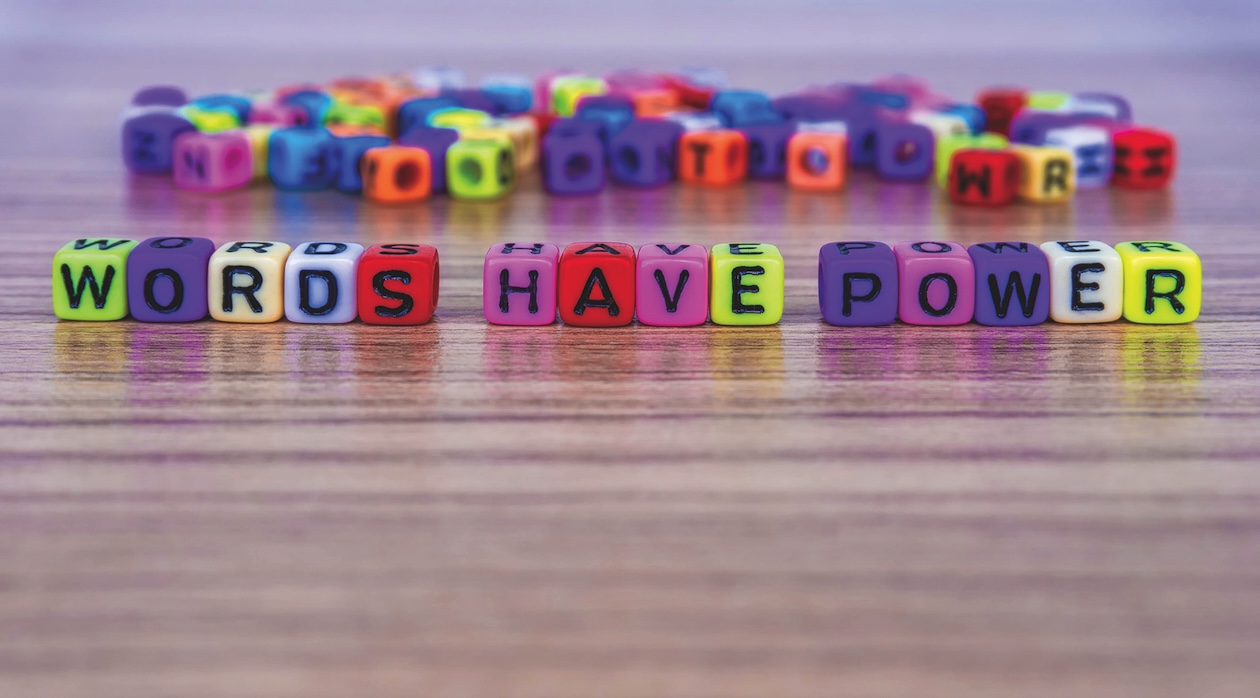
“You're overreacting.” “You're so dramatic.” “Crying isn't going to change anything.”
Most of us have probably heard one of those phrases at some point growing up. Maybe they came from a parent, grandparent or another well-meaning adult who believed they were helping us become tougher.
I know I did.
I grew up in a family where emotions weren't something you talked about. At best, my feelings were dismissed. At worst, they were ridiculed and mocked. From a very young age, I learned that having emotions was a problem – and showing them was even worse.
Whenever I expressed big feelings, I was often told I was being dramatic or overreacting. My mom even nicknamed me “Gloria Swanson,” referencing an old Hollywood actress she described as overly dramatic. I didn't understand the reference as a child, but I understood the message loud and clear.
My feelings were too much.
So as I got older, I stopped sharing them.
Like many millennials, I've spent much of adulthood untangling the messages I absorbed as a child. I became a people pleaser. I avoided conflict. I questioned my own instincts. Looking back, I can see that years of having my emotions dismissed taught me something I never should have learned: that my feelings couldn't be trusted.
Then I became a mom.
One day, my son was having a tantrum when someone casually laughed and said, “He's got his mother's dramatics.”
Later, I heard my daughter being called “the next Gloria Swanson.”
It stopped me in my tracks. Because I know firsthand what labels like that can do.
Children don't hear those comments as harmless jokes. They hear them as truths about who they are.
When we repeatedly tell children they're dramatic, sensitive, difficult or emotional, they don't learn how to regulate their feelings. They learn that having feelings is the problem.
And the research backs this up. Psychologists call it emotional invalidation: dismissing, minimizing or criticizing someone's emotional experience. Over time, children who regularly experience emotional invalidation may become less confident expressing themselves, have greater difficulty regulating emotions, and may even begin doubting their own experiences.
I’ve experienced these things firsthand. When I’m working through a situation in therapy, my instinct is to dismiss my own feelings. It’s as if there is a reflex deep within me that immediately doubts my feelings as real or valid.
Knowing what I know now, I'm intentionally trying to break that cycle with my own children. Our home has plenty of tears, frustration and big feelings, but my goal isn't to stop those emotions. It's to help my children learn what to do with them.
That's where emotional validation comes in. And if you're anything like me, you may have wondered: "If I comfort my child during a tantrum, am I rewarding the behavior?"
Here's what I've learned: Validation doesn't mean giving in. You can acknowledge what they're feeling while still holding firm boundaries.
So, what does emotional validation actually look like?
These are a few of the practices I'm working on as I learn to become a better active listener for my children. I'm certainly not perfect, but they've helped me slow down and respond differently when emotions run high.
•Be fully present. I try to put down my phone, make eye contact and give my child my full attention. Sometimes the greatest gift I can offer isn't advice. It's my presence.
•Listen before I solve. My mama bear instinct is to jump straight into problem-solving. But I'm learning that my children don't always need solutions right away. Sometimes they simply need someone to hear them. Instead of offering advice immediately, I try asking, “Can you tell me more about what happened?” or “What was the hardest part?”
•Name the emotion I see. My children don't always have the words to describe what they're feeling, so I'm trying to help them put words to those big emotions. Instead of assuming or brushing it off, I might say, “It sounds like you're feeling really frustrated,” or “I wonder if you're disappointed because things didn't go the way you hoped.” By naming the emotion, I hope they'll eventually learn to recognize and express it themselves.
•Reflect before I redirect. This one has been a game-changer for me. I'm learning that I don't have to agree with my child's reaction to acknowledge it. Before I correct the behavior or jump into consequences, I try to say something like, “That sounds really hard,” or “I can understand why you feel that way.” I want my children to know their emotions are valid, even when their behavior needs guidance.
•Ask what they need. As my children get older, I want them to know they don't have to navigate hard feelings alone. Sometimes before offering advice, I try to ask, “Do you want me to just listen, or would you like help figuring out what to do next?” I’m hoping it will help them identify the kind of support they're looking for while reminding them they're not alone.
None of this excuses behavior or removes consequences. But it does communicate something essential: “Your feelings are safe with me.” And when kids feel emotionally safe, they don’t just come to us in the easy moments – they come to us in the hard ones, too.
This kind of parenting didn’t come naturally to me. It wasn’t what I grew up with. And I don’t always get it right.
There are still moments when I slip into old patterns or feel my frustration rise before I can catch it. But I’ve learned that parenting isn’t about being perfect. It just requires awareness and a willingness to keep trying.
I think often about the little girl I used to be, the one who just needed someone to say, “I see you. That makes sense.”
That’s what I’m trying to offer my children now.
Because when we change how we respond to feelings, we don’t just change behavior in the moment – we change the story our children tell themselves about who they are allowed to be.
And maybe that’s what this work really is: Learning to speak to our children in the way we once needed to be spoken to ourselves.
••••••••
Christine Giarrizzo is a blogger, podcaster and mama of two, navigating the realities of modern motherhood in real time. Through her writing, she explores the tension between who we were, who we’re expected to be, and who we actually want to become.
Her work focuses on helping millennial moms move out of survival mode and into a life rooted in clarity, creativity and self-expression. Through honest storytelling and research-backed insights, Christine creates space for women to question outdated norms, trust themselves, and build lives that feel aligned and fulfilling – while offering practical tools for moms who feel overwhelmed and ready to reconnect with themselves.
Find more from Christine at ContemplativeMama.com and on Instagram @ContemplativeMama1.






























1859 Whitehaven Road, Grand Island, NY 14072
Phone: 716-773-7676
Fax: 716-773-7190