Fri, Jun 5th 2026 07:00 am
By Christine Giarrizzo
Looking back on my childhood, I sometimes wonder if my need to always be first – or have the best thing, whatever that “thing” was – was selfishness.
When I started band in fourth grade, there were only a couple of black, wooden clarinets that we all coveted. And then there were the silver, metal ones that, in my opinion, were hideous. Most of us got the silver. If you were a band kid in the ’90s, you know what I’m talking about.
I asked my teacher daily, “How could I get one of the black ones? What would it take?”
Eventually, the school got a few more black clarinets, and one of them went to me.
“The squeaky wheel gets the grease,” she told me.
And I took that lesson and ran with it.
I always needed the best of everything. The best seat, the best prize, the best hat at our fifth grade fun day. I inspected them all, determined to get the “best” one before someone else did.
For a long time, I thought those behaviors meant I was selfish. Other people labeled me that way, too.
It’s uncomfortable to admit this, and honestly, it makes me cringe a little. But looking back now, I realize something else was happening. It was never really about the clarinet or the best hat. It was about being seen. About being chosen or not overlooked.
What looked like selfishness was actually survival behavior I had learned from being in an environment where attention, validation, approval, and emotional safety wasn’t always guaranteed.
And it got me thinking: Is selfishness a learned trait?
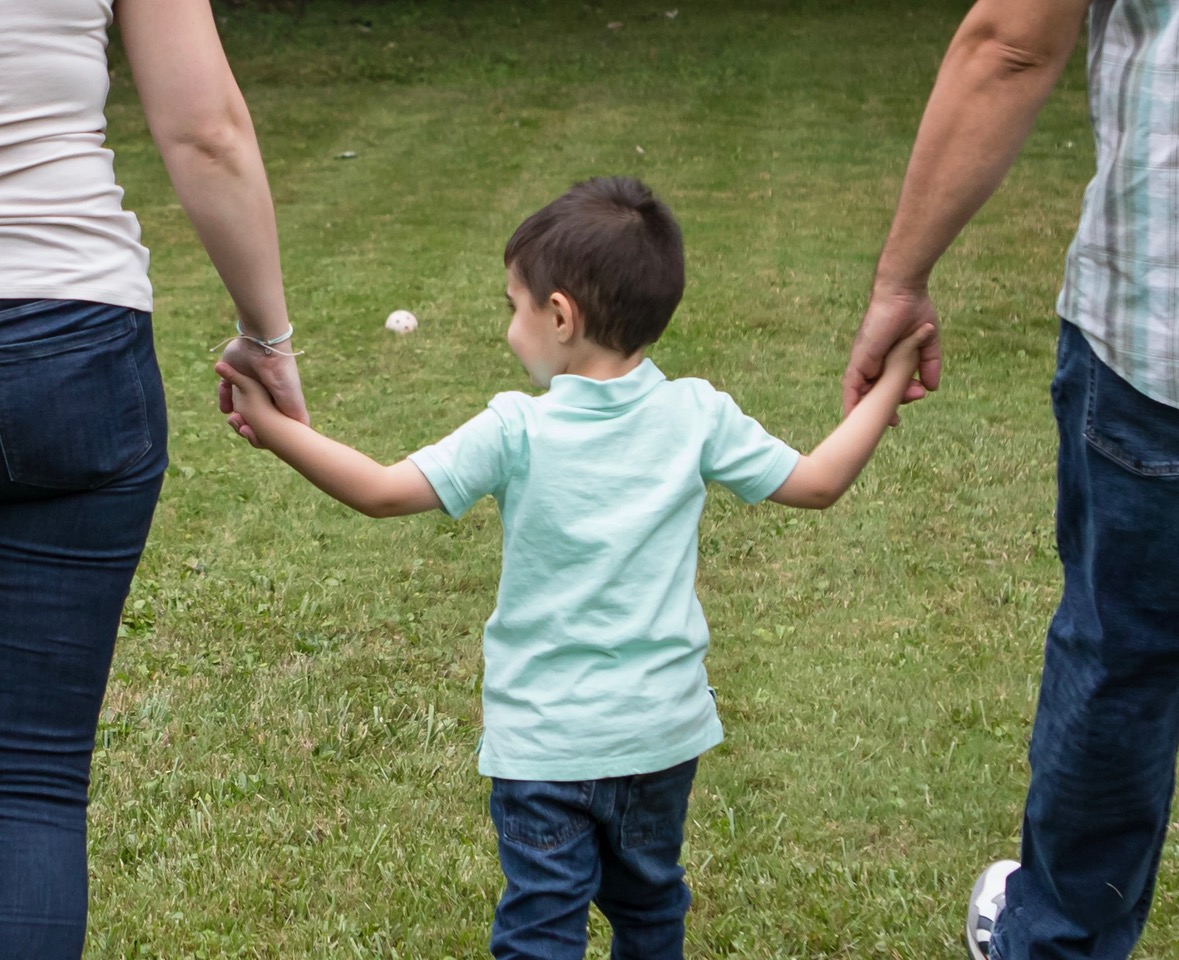
And if so, how do we make sure we’re not passing it on to our own kids?
So, I turned to the experts. Not only did I learn selfishness is considered a learned behavior, I found that a lot of experts believe kids cannot be born selfish.
Research on childhood development suggests kids naturally show empathy and helping behaviors pretty early on without being taught, rewarded, or told to. Nature vs. Nurture baby!
It’s the environments children are exposed to that changes those altruistic instincts over time. The way we talk about emotions, respond to their needs, model empathy, and handle conflict all influence whether our kids learn to operate from connection or competition.
And honestly, that realization hit me hard, because I think a lot of us were raised in environments where attention, validation, and even love felt conditional. Where being the loudest, the best, the easiest, or the most helpful got you noticed or praised.
So, how do we make sure we’re not raising selfish kids?
Experts consistently point to the same themes: helping kids identify emotions, teaching them to consider other people’s perspectives, modeling kindness instead of just demanding it, and making sure they don’t grow up believing that love, attention or worth have to be earned.
Here are a few shifts I’ve been trying to make imperfectly, consistently, and very much in real time:
•Stop labeling kids as “selfish.” When you constantly hear “you’re selfish,” it stops feeling like feedback about a moment in time and starts becoming part of your identity. As someone who experienced a lot of name-calling growing up, this is something I try really hard to avoid. Focusing instead on the behavior: “You’re having a hard time sharing right now,” which creates awareness, rather than shame.
•Teach emotional awareness, not just obedience. A lot of what we call selfish behavior is really frustration, insecurity, dysregulation, or unmet needs that children don’t have vocabulary for yet. Sometimes simply acknowledging the feeling changes everything: “You really wanted that one, huh? I get it.” You can still be firm in your boundary of them not getting one.
•Create security, not competition. I think a lot of selfish behavior is rooted in fear, or at least it was for me. The fear of missing out, not getting enough, not being chosen. Kids who feel emotionally secure are less likely to feel like they constantly have to fight for attention, love or space. Sometimes what they need most is reassurance: “You’re not going to miss out. You’ll get a turn.”
•Hold boundaries matter-of-factly. You can be firm without embarrassing them. “I’m not going to let you take that toy from them.” Full stop. No need to lecture or make them feel like “the bad kid.” Just a calm, clear boundary.
•Model empathy and healthy boundaries. Kids learn a lot more from watching us than listening to us. If we want compassionate kids, they need to see us apologizing, taking responsibility, respecting boundaries, helping others without keeping score, and caring for people without completely losing ourselves in the process.
•Pay attention to what gets rewarded in your home. Are kids only praised for being good, quiet, helpful, high-achieving, or easy for adults to manage? Or are they also valued for honesty, emotional growth, effort, curiosity and kindness? Kids absorb what we celebrate, even when we don’t realize we’re teaching it.
•Check your own triggers. Sometimes our reaction to our kids’ behavior has way more to do with our own upbringing than what’s actually happening. I’m raising my hand here! If selfishness was heavily criticized or punished in your childhood, it makes sense that certain behaviors feel extra activating now. That need to shut it down is worth paying attention to.
Breaking the cycle
When I think back to that version of me – the kid constantly trying to get the “best” of everything – I don’t feel embarrassed anymore. I understand her. She wasn’t selfish, she was surviving in a world where being second felt like disappearing. And now, as a parent, I’m less focused on raising perfectly selfless kids and more focused on creating an environment where my kids already know they are loved, worthy, and never have to fight to prove they matter.
••••••••
Christine Giarrizzo is a blogger, podcaster and mama of two, navigating the realities of modern motherhood in real time. Through her writing, she explores the tension between who we were, who we’re expected to be, and who we actually want to become.
Her work focuses on helping millennial moms move out of survival mode and into a life rooted in clarity, creativity and self-expression. Through honest storytelling and research-backed insights, Christine creates space for women to question outdated norms, trust themselves, and build lives that feel aligned and fulfilling – while offering practical tools for moms who feel overwhelmed and ready to reconnect with themselves.
You can find more from Christine at ContemplativeMama.com and on Instagram @ContemplativeMama1.